

Have you ever laced up a pair of shoes and felt like you were running on clouds — only to discover after a few kilometres that your knees ached, or your feet felt sore? We’ve been there. Running is not just about willpower and the path ahead — it’s about what’s under your feet. In India’s bustling cities and unpredictable roads, the right pair of men’s running shoes can make or break your running journey.
Whether you are jogging early morning before classes, sprinting on city pavements after work, or training for a marathon, investing in a proper pair of running shoes is not optional. It can affect your comfort, performance, and long-term foot health.
In this article, we walk you through how to select the best men’s running shoes when buying online — combining expert advice, biomechanics, and real-world reviews.Why Running Shoes Matter (More Than We Realise)
Why Running Shoes Matter (More Than We Realise)
Running may look easy — put one foot in front of another and go. But each time our foot strikes the ground, our body deals with ground reaction forces. Research shows that wearing proper running shoes significantly reduces the “effective mass” of the impact absorbed by our legs. (arXiv)
What this means is — a good running shoe cushions and distributes these forces, reducing stress on joints, lowering risk of injury, and making running more comfortable for longer durations. Poor shoes — or none — can lead to joint pain, knee stress, plantar discomfort, and fatigue. As such, especially in a country like ours — where roads, weather, and running surfaces are all variable — choosing the right shoe becomes critical.What to Look for in Men’s Running Shoes (Especially Online)
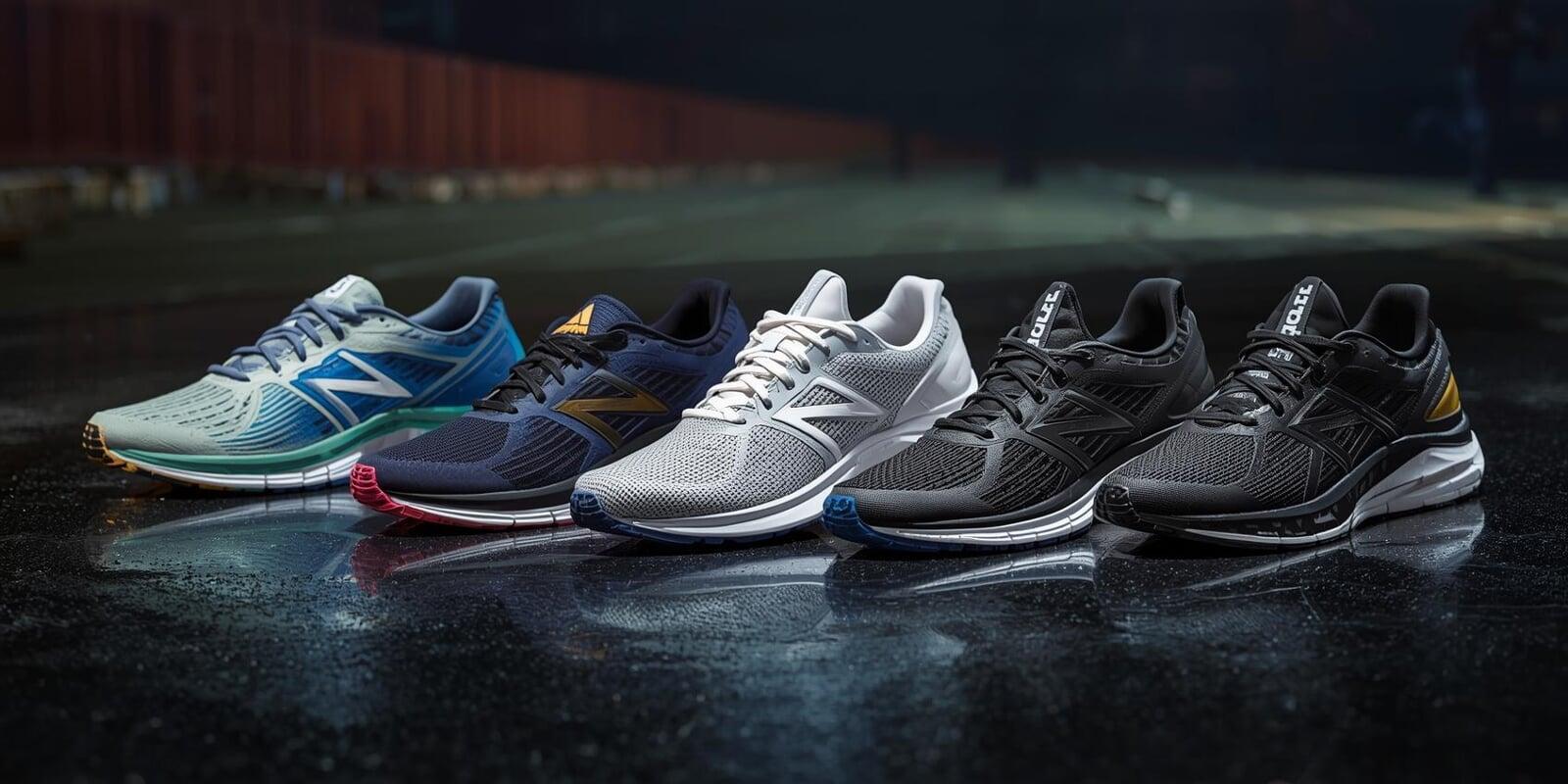
We believe that a few core factors should guide your decision when buying men’s running shoes online: comfort, cushioning, fit, and suitability for your running style. Recent research systematically shows that shoe structure — heel drop, cushioning, stiffness, weight — influences performance and injury risk. (jfootankle.com)
• Cushioning & Shock Absorption
A quality midsole that absorbs impact ensures your joints — knees, ankles, hips — aren’t taxed every time your foot lands. This extends your endurance and makes daily running or long-distance runs far more comfortable.
• Fit & Foot Support
Shoes must match your foot’s shape, arch (the curve in the middle of your foot), and gait (the way your foot moves when you walk or run). A shoe that feels snug (not tight), supports your arch, and doesn’t constrict motion is vital. Poor fit can lead to blisters, discomfort, or worse, altered gait and injury.
• Breathability & Build Quality
In India’s climate — hot, humid, sometimes dusty — breathable mesh uppers help keep your feet cool and reduce sweat. A durable outsole and sturdy stitching also ensure longevity, especially on rough or uneven roads.
• Suitability for Running Type
Whether you run short distances, long road runs, or on varied terrains, your shoes must match the purpose. Cushioned shoes for long runs, lighter ones for speed work, and stable ones for urban pavements are common distinctions. (The Times of India)
• Budget vs Performance Balance
While premium shoes offer more features and durability, there are many budget-friendly shoes that deliver good value. The smart buyer weighs how often they run, distance, and terrain, then balances budget and performance accordingly.Current Best Men’s Running Shoes Online in India — What Experts Recommend

Here are some of the shoes frequently recommended by experts and reviewers for men in India, across budgets and running needs.
ASICS Men Gel-Cumulus 26 — Known for plush cushioning and smooth transitions, a strong pick for long-distance runners. (Hindustan Times)
adidas Runfalcon 3.0 — Lightweight and versatile; works well for daily running and casual wear. (Hindustan Times)
Puma Men’s Cell Fraction Fade Res — Stylish yet functional, balancing breathable fabric with responsive cushioning. (Hindustan Times)
Skechers Max Cushioning / GOrun series — Popular among runners seeking comfort without heavy price tags. (LBB)
Budget alternatives (for everyday running/walking) — e.g. from brands like Campus, or entry-level models from major brands; useful for beginners or casual runners. (LBB)
The Online Buying Challenge in India — What to Watch Out For
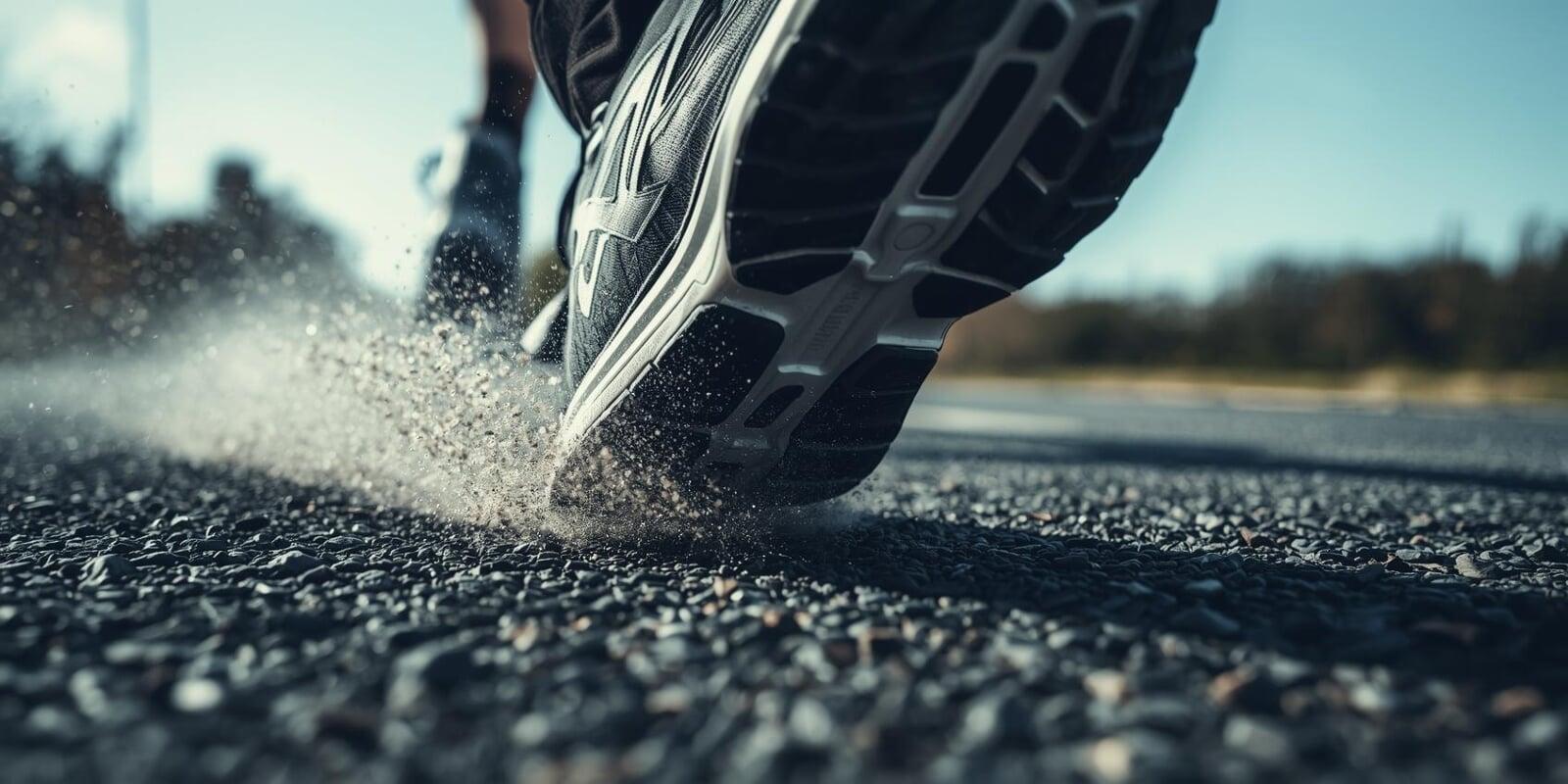
Buying running shoes online in India comes with its own pitfalls, which we must be aware of.
• Inconsistent Sizing & Fit
Foot shapes vary — and what fits as size “9 UK” from one brand might differ in fit from another. Without trying on shoes physically, there’s always a risk of ending up with ill-fitting shoes.
• Terrain & Real-World Use vs Lab Conditions
Shoes may perform well on treadmill or smooth track images — but Indian roads, sometimes uneven pavements, potholes, monsoon-worn surfaces — put extra demand on cushioning, grip, and durability.
• Overhyped Marketing and “One-shoe-for-all” Claims
Many brands market a shoe as “perfect for all” — but in reality, no running shoe can satisfy every foot type, gait, distance and terrain. Overreliance on marketing can lead to disappointment or injury.
• Budget Constraints vs Long-term Value
Cheap shoes may seem appealing, but if they wear out fast or fail to cushion properly, they might end up costing more — not just monetarily, but in joint pain or injuries.
Hence, we recommend reading product reviews, checking return policies when buying online, and — if possible — trying to test them on a light run before committing to long training.Our Process — How We Evaluate Running Shoes
Our Process — How We Evaluate Running Shoes
We assess running shoes based on a mix of:
Biomechanics & Science — Understanding how cushioning, heel drop, and shoe structure affect foot impact and joint load. (As highlighted in scientific reviews.) (jfootankle.com)
Real-world Reviews from Indian Runners — Considering feedback from runners who run on Indian roads: comfort, durability, fit, breathability.
Use-case Matching — Identifying whether the shoe is for daily jogging, long-distance runs, occasional gym/workout runs, or casual wear.
Budget vs Value Trade-off — Recognising that while high-end shoes give premium comfort, mid-range or budget shoes may suffice for moderate runners, if chosen wisely.
Best Picks for Different Types of Runners (Budget / Purpose Wise)
Here’s a quick guide (from our viewpoint) on which type of running shoe to choose depending on your needs:
Daily jogger / casual runner | Comfort, cushioning, breathability, good fit | Mid-range shoes like Asics Gel-Cumulus 26, adidas Runfalcon 3.0, Skechers GOrun, Puma’s comfortable mesh shoes |
Long-distance road runner / fitness enthusiast | Plush cushioning, durable outsole, support for repetitive impact | Cushioned & supportive models; ensure proper size & snug fit, good midsole quality |
Student / budget-conscious runner | Affordable, decent cushioning, everyday usability | Budget-friendly running/walking shoes (local brands or entry-level models) — only if fit & comfort are checked carefully |
Performance runner / speedwork / serious training | Lightweight build, responsive cushioning, durability on pavements | Higher-end running shoes from major brands; possibly premium mid-sole and good outsole grip |
Multi-purpose use (gym + run + casual) | Balance of cushioning, support, durability, and style | Versatile shoes with breathable mesh and supportive soles; comfort must not be compromised |
Common Mistakes We See Runners Making — And How to Avoid Them
From our experience and observation of many Indian runners, these mistakes often occur:
Choosing shoes only based on brand or price — instead of considering fit, foot type, and running style.
Ignoring cushioning and comfort — leading to foot pain, injuries or early wear-out.
Buying for appearance rather than function (especially when buying online).
Overlooking the terrain — for example, using gym-grade shoes on old, uneven Indian roads.
Not replacing shoes when wear-out signs appear — midsoles can degrade and lose cushioning over time.
Key Takeaways
Key Takeaways

In our journey — from occasional joggers to serious runners — we’ve learned that the right pair of men’s running shoes matters. It’s not about flashy design or splurging on the most expensive pair; it’s about fit, cushioning, support, and matching the shoe to our purpose.
Proper running shoes reduce impact, protect joints, and make runs more comfortable and sustainable.
Cushioning, fit, build quality, and match with your running style are more important than brand or price alone.
For Indian runners — with varied roads, climates and budgets — balancing comfort, durability and affordability is key.
Buying online works — provided we pay attention to size, read reviews carefully, and, when possible, test the shoes.
Ultimately, a good running shoe is an investment in our health, endurance, and running experience.
If you’re starting out — or upgrading your running gear — choose wisely. Your feet and joints will thank you later.
Happy running!Frequently Asked Questions (FAQ)
Frequently Asked Questions (FAQ)
Q: How often should I replace my running shoes?
A: Generally, a good running shoe should last about 600–800 kilometres of running. After that, midsole cushioning and shock absorption tend to deteriorate, increasing the risk of discomfort or injury.
Q: Is it okay to use a single pair of shoes for running, gym and casual wear?
A: Yes — but only if the shoe balances cushioning, support and durability appropriately. Using one pair for everything may increase wear and tear faster. For frequent runners, having a dedicated running pair is ideal.
Q: Can cheaper shoes (under ₹2,000–₹3,000) work for running?
A: They can — especially if you are a casual runner or just starting out. But check for proper fit, cushioning, and breathability. For regular or long-distance running, investing in better-quality shoes is usually worth it.
Q: Should I prioritise cushioning over lightweight in a running shoe?
A: It depends on your running style. For long-distance or frequent running, cushioning and support are important. For speed sessions or short runs, lighter shoes with responsive soles may help. The “best” depends on what you need.
Very important. A shoe that doesn’t match your foot’s arch (the natural curve under your foot), pronation (the way your foot rolls inward while running or walking), or fits poorly can cause discomfort, blisters, or even lead to injuries over time. Always try to match the shoe to the foot anatomy and running needs.
