

Have you ever put on a pair of running shoes and felt like you could run forever — even on a crowded Delhi street, after a long day of classes or work? For many of us in India today, sports running isn’t just a weekend hobby — it’s a lifeline. And often, what separates a smooth run from aching knees and sore soles isn’t just fitness, but the shoes beneath our feet.
We live in an age where more people across the urban sprawl of our country are lacing up for a morning jog, a weekend 5K, or simply walking briskly to the metro or college. The surge in demand for good running shoes — especially men’s sport-style running shoes available online — reflects a deeper truth: comfortable, well-designed footwear can shape how we move, feel, and even imagine ourselves.The Growing Demand for Running Shoes in India
The Growing Demand for Running Shoes in India
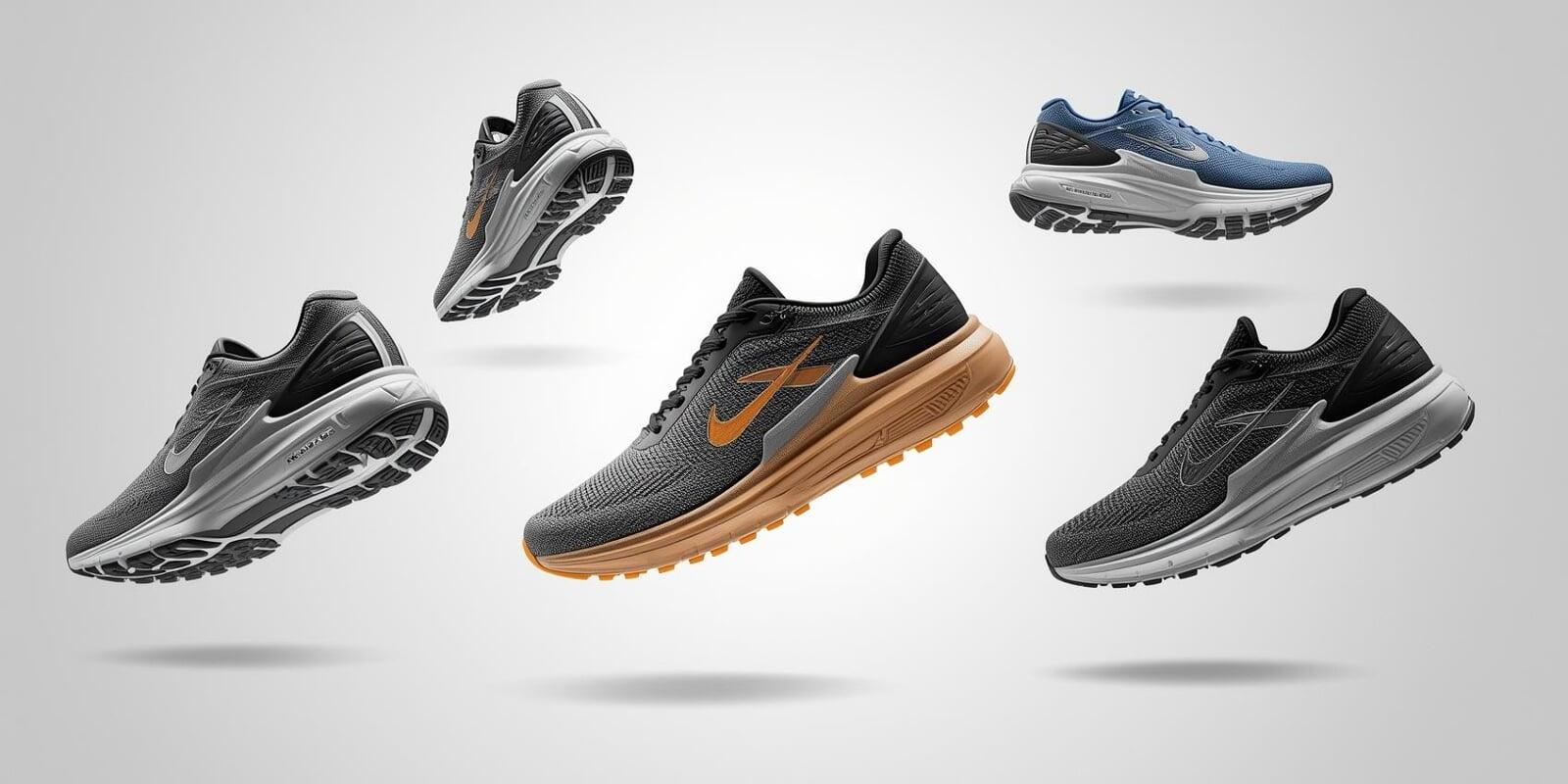 The market for athletic footwear in India has been growing rapidly. According to a recent report, the Indian athletic footwear market in 2024 was valued at USD 5.9 billion, and it is forecast to reach nearly USD 9.8 billion by 2033. (IMARC Group)
Within that, running shoes remain among the most prominent categories — driven by both serious runners and everyday users using them for commuting, gym, or casual wear. (Fact.MR)
In fact, the “running” segment in India is projected to expand at a Compound Annual Growth Rate (CAGR) of about 8.13% from 2025 to 2030. (Statista)
One key driver: a rising fitness culture. As more of us become health-conscious, running, jogging, brisk walking, or weekend 10Ks become one of the most accessible and low-cost ways to stay active. (Market Research Intellect)
But popularity isn’t just about health. Running shoes increasingly double up as everyday footwear — for college, commuting, casual outings. In India’s fast pace — where we walk, stand, rush between metro stations and classrooms — sports shoes offer comfort, support, and style that old leather shoes rarely provide. (Impakto)Why Quality Running Shoes Matter: More Than Just Looks
It’s tempting to buy the cheapest pair of sneakers online and call it “running shoes.” But real runners — and even casual users — know the difference that proper running shoes can make.
Injury Prevention: Reducing Impact with Proper Cushioning
Every time our feet strike the ground while running, our joints absorb a significant amount of force. Research shows that running shoes can substantially reduce this impact, reducing the effective mass the foot “feels” during impact by roughly half compared to barefoot running. (arXiv)
Modern running shoes often include shock-absorbing midsoles, cushioning, good arch support, and heel support — specifically designed to protect joints, muscles, and bones from repetitive stress. (Impakto)
Improved Posture and Gait, Less Fatigue
Good footwear helps your foot strike, heel-to-toe transition, and body alignment — which can make running or even walking more efficient and less straining. This leads to less fatigue, better endurance, and fewer injuries. (Impakto)
If shoes are poorly fitted — too tight, too flat, or lacking cushioning — you may end up with blisters, joint pain, or even long-term problems. On the flip side, comfortable, supportive shoes make it more likely that we stick with our running or walking routine. For many of us, balancing college, work, or family, that comfort makes all the difference. (Impakto)
Multi-Purpose: From Running Track to Daily Streets
One of the biggest advantages in India’s context: running shoes are not just for tracks or gyms — they double up as everyday footwear. Whether it’s a college walk, metro commute, or casual outing, a good pair of men's sport-style running shoes can serve many roles: training, walking, commuting, or even casual style. (Impakto)But It’s Not All Perfect — Know the Limitations
But It’s Not All Perfect — Know the Limitations
As with anything, running shoes have trade-offs.
Over-relying on heavily cushioned shoes sometimes masks poor running form. Some argue that such shoes prevent the natural strengthening of foot muscles or awareness of stride, which minimalist or barefoot-style footwear tries to encourage. (Impakto)
Not all shoes fit all feet. What works for one runner may cause discomfort or injury for another — depending on gait, foot shape, terrain, or mileage. (Impakto)
Running shoes don’t last forever. Many experts suggest replacing shoes after a certain mileage or months because cushioning and support degrade over time. (Impakto)
How to Choose the Right Men’s Running Shoes Online in India
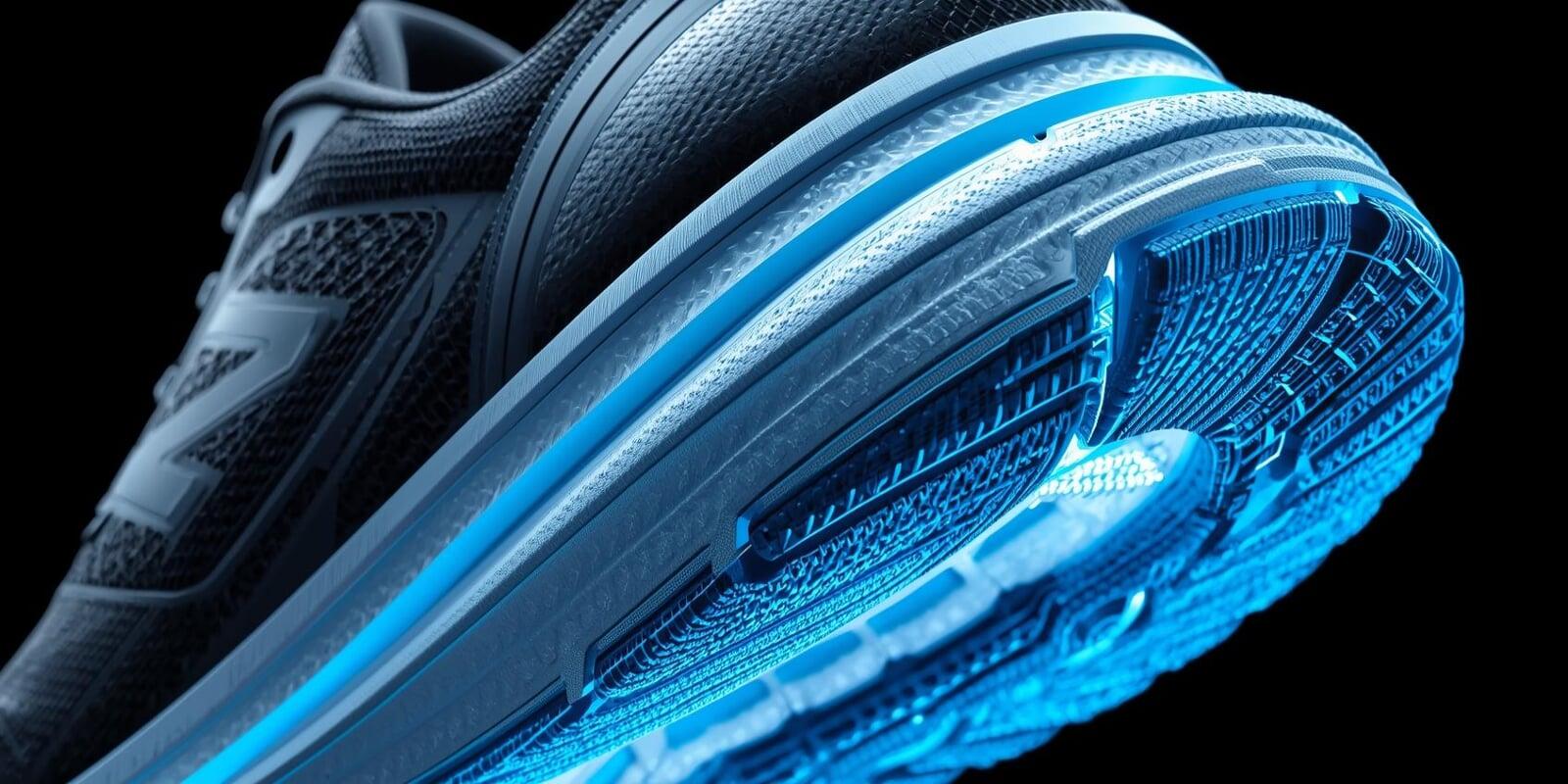
Since many of us shop online (college-goers, working professionals, city dwellers), picking the right shoes becomes more challenging — you don’t try them on in person first. Here’s what we recommend focusing on:
1. Fit and Comfort Over Brand or Looks
Fit should be the first priority. Your shoe should give about a finger-width space from the longest toe to the tip, accommodate foot width, and support the heel and midfoot snugly — not too tight, not too loose. This helps ensure you get proper cushioning and avoid blisters or toe pain. Experts often highlight comfort as the most consistent predictor of fewer injuries and better performance. (SELF)
2. Purpose: Training, Daily Running, Long Distance, or Casual Use
Ask yourself: what will you use the shoes for?
For daily jogging, gym sessions, or general fitness, you need comfortable cushioning and flexibility.
For long runs, marathons, or heavy mileage — look for durability, better shock absorption, and stable midsole support.
For everyday commuting or walking in Indian city streets, consider versatility, breathability, and durability on rough surfaces.
3. Sole, Cushioning, and Support — Not Just Style
Check if the shoes offer good midsole cushioning, arch support, and heel stability. These features help maintain proper gait, reduce impact, and support joints. If you run on roads or concrete (common in Indian cities), these matter a lot. (Impakto)
4. Value for Money and Longevity
Since many runners in India use shoes both for sport and daily wear, it makes sense to invest in quality pairs that last. Sometimes, a slightly pricier pair with good materials and build will outlast cheap ones that wear out quickly. Given how often we walk, commute, or run, this can pay off in the long run.
5. Reviews and Real-User Feedback (From India Context)
Whenever possible, check reviews from people in similar environments — city roads, pavements, heat, pollution. What works for a track runner abroad might not perform well on Indian roads. Local feedback helps you get a realistic idea about comfort, durability, and suitabilityWhat Indian Running Culture Looks Like in 2025
What Indian Running Culture Looks Like in 2025

Our running culture in India is evolving quickly:
With rising urbanization and lifestyle changes, many people — students, working professionals, fitness hobbyists — are embracing running or brisk walking as a way to stay healthy. (Market Research Future)
Online marketplaces and e-commerce have made sports footwear more accessible. Instead of formal leather shoes, many young people now prefer sports shoes — not necessarily for running, but because they are comfortable and versatile. (Market Research Future)
The demand is broad — from budget-friendly sport shoes to high-performance running shoes. The running shoe segment accounts for a significant share of all athletic footwear sales, because people use it for commuting, fitness, gym, casual wear, not just running. (Fact.MR)
Our Perspective: What We Look for When Buying Running Shoes
When we choose men’s running shoes — especially when buying online — we personally prioritise three things:
Comfort & Fit Above All: If we feel good putting them on and walking around at home, they’re more likely to be good during a run.
Versatility: Ideally, a shoe that works as a daily commuter, gym shoe, and occasional run shoe.
Value / Longevity: Given the wear and tear Indian streets cause — rough pavements, heat, dust — we prefer shoes that offer good build and cushioning at a fair price.
Key Takeaways

Running shoes, especially men’s sport-style running shoes online, are far more than fashion: they play a real role in comfort, injury prevention, and helping us stay active.
In India’s growing athletic footwear market, demand is fueled not only by runners but by everyday users seeking comfort, support, and versatility.
When buying online, focus on fit, cushioning, purpose, durability, and real user feedback rather than just brand or looks.
The right pair can make a big difference — whether you run marathons, jog in the park, walk to college, or just want comfortable footwear for everyday city life.
Frequently Asked Questions (FAQ)
Frequently Asked Questions (FAQ)
Q: How often should I replace my running shoes?
A: It depends on use. For serious runners, most experts recommend replacing running shoes every 500–800 km, or when cushioning and support start to degrade. For casual use (walking, commuting), you may replace them when you notice wear, loss of cushioning, or discomfort.
Q: Can I use the same shoes for running and daily wear/commute?
A: Yes — many men’s sport-style running shoes are designed for versatility. If they fit well and offer good cushioning and support, they can serve both as running shoes and comfortable day-to-day footwear.
Q: Are expensive, branded running shoes always better?
A: Not necessarily. The key factors are fit, cushioning, support, and what you use them for. A well-made mid-range shoe that meets your needs can perform better than an expensive one that doesn’t fit or suit your running style.
A: Make sure to: check sizing carefully (allow a little extra toe space), read reviews (especially from users in similar climates/terrain), confirm cushioning and sole quality, and pick based on intended usage — daily walking, jogging, long runs, or casual wear.
